


The kidneys are among the most important organs in our bodies, yet they seldom receive their well-deserved attention. In fact, they are involved in filtering out waste, maintaining fluid balance, regulating blood pressure, and even participating in the production of red blood cells. A decline in kidney function might have serious implications and make huge differences in general well-being. Therefore, concern should be raised over the health of the kidneys.

The Essential Function of the Kidneys in the Body
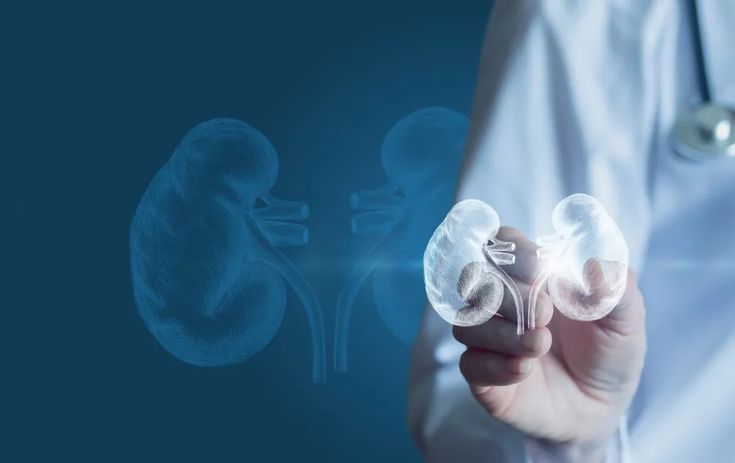
The kidneys have many important functions, including:
- Removal of toxic substances and waste products from the blood.
- The regulation of the volume of fluids and the concentration of electrolytes
- Blood pressure regulation
- Assisting in the formation of red blood cells
- Maintaining bone health by regulating the levels of vitamin D
Waste may accumulate in a person and lead to serious health conditions, even up to kidney failure when kidneys do not function.
Common Causes of Kidney Health Issues
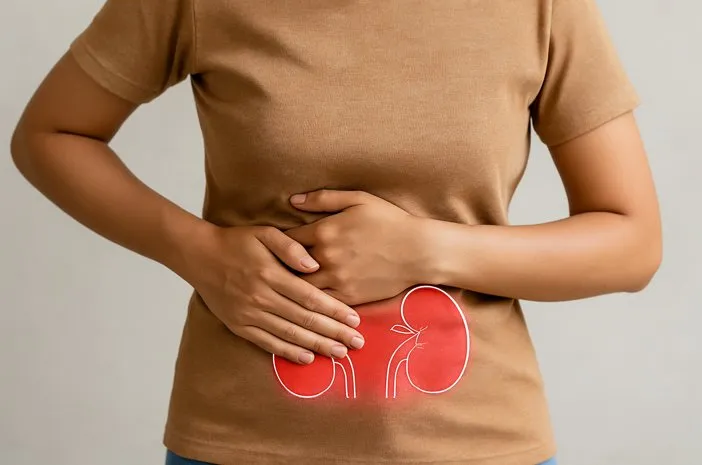
The following common practices may accidentally destroy the kidneys. They are:
- Insufficient water consumption
- High salt intake in the diet
- Regular use of pain medicines without doctor’s advice
- Consuming foods high in sugar and fat
- Alcohol consumption and the use of tobacco
- Absence of Physical Exercise
Besides, diabetes and hypertension are considered strong contributing factors to renal impairment.
Effective Methods of Renal Preservation
Here are some simple yet very effective ways to keep your kidneys going without inconvenience:
1. Keep the Body Always Hydrated

Water aids in filtering waste products from the blood through the kidneys. Drink at least 6 to 8 glasses of water a day-or more if you need it.
2. Reduce Sodium Intake
Excessive intake of salt can result in high blood pressure and put extra strain on the kidneys. Reduce your intake of salty foods, processed foods, and instant meals.
3. Healthy Diet
Improve your diet by consuming more fruits, vegetables, and healthy proteins, while limiting foods with added sugars and high in saturated fats.
4. Do some form of exercise regularly
Regular exercise maintains body weight, controls blood pressure, and increases blood flow to the kidneys.
5. Avoid Tobacco and Alcohol
The toxic substances in cigarettes and alcoholic beverages can also damage the blood vessels in the kidneys and further speed up kidney function loss.
6. Use Medications Responsibly
Try to avoid the habit of taking pains up medicines without a doctor’s prescription; they damage the kidney tissues.
7. Make Adequate Sleep a Priority
It can cause insomnia, kidney malfunction, and immune deficiency.
8. Schedule Routine Medical Checkups
It is important to monitor the blood pressure, blood sugar levels, and kidney performance regularly, especially among people who are at higher risk.
Signs of Kidney Issues to Watch Out For
Pay attention to these indications:
- Ongoing fatigue
- Lack of energy
- Swelling in the arms, legs, or face
- Changes in color of urine and frequency of urinating
- Loss of appetite
- Nauseous and vomiting
Unable to rest properly If any of the above symptoms persist, one should immediately consult with a doctor.
Conclusion
Caring for your kidneys demonstrates your commitment to better well-being over time. Making healthier lifestyle changes, being well-hydrated with ample water, paying attention to what you consume, and staying active-overall-you’re doing great in taking care of your kidneys. Bear in mind that healthy kidneys play an important role in the development of the robustness and energy of your body and in preventing dangerous diseases. Don’t wait any longer and let today be the starting point to taking care of your kidneys seriously!