

Although it is well-documented that heart health is something which must be taken into consideration at an older age, such research only confirms the fact that behaviors in your 20s, 30s, and 40s will determine if you will develop cardiovascular issues later on in life. Heart disease simply does not develop overnight; it develops over a period of time because of the pattern of one’s lifestyle, stress levels, and daily choices. Education on how the heart changes through decades and early preventive strategies in adults aged 20 to 50 are ways to ensure a longer and healthier life.

Heart Health in Your 20s: Setting the Foundation
The setting of heart-friendly habits in your 20s is ideal since the general physiology of the body is at its strongest and most adaptable. The metabolism functions well, arteries are flexible, and recovery tends to be quicker. But on the other hand, unhealthy behaviors-like a sedentary lifestyle, poor diet, vaping, alcohol overuse, or chronic stress-can begin building the foundation for long-term cardiovascular issues.
Regular physical activity-anything as simple as 30 minutes of brisk walking-goes a long way in reducing early plaque buildup inside the arteries. Add to that adequate sleep, hydration, and a diet low on processed foods, and you are assured of a far healthier cardiovascular profile. This is also a very good time to understand your family’s medical history, as genetics very often play a major role in early-onset heart problems.
Heart Health in Your 30s: Balancing Responsibilities and Wellness
In one’s 30s, demands related to career, financial responsibilities, and family obligations usually increase. This decade is very often marked by increased stress, reduced sleep, and less exercise. These factors combined raise the risk for high blood pressure, weight gain, and higher cholesterol levels.
In your 30s, preventive health check-ups become of prime importance. One should monitor blood pressure, blood sugar, and lipid levels regularly so that early signs of heart strain can be traced. Opting for healthier meal options like vegetables high in fiber, lean proteins, and whole grains helps balance energy levels and supports cardiovascular strength. Adults in their 30s should also not forget mental well-being, as chronic stress is directly linked with inflammation and poor heart performance. Mindfulness practices, deep breathing, and strategic breaks throughout the workday will make all the difference.
Heart Health in Your 40s: Fortify Your Defenses
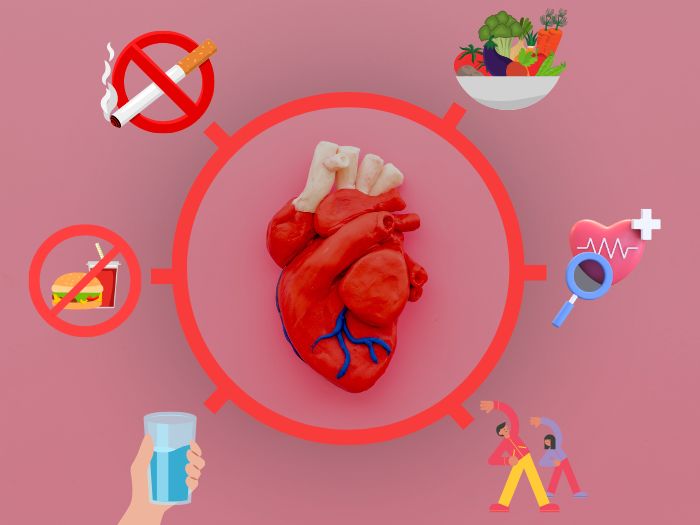
The 40s are a transition period in life where the physical consequences of lifestyles chosen start to become evident through reduced metabolism, a decrease in muscle mass, and an increased risk of hypertension or type 2 diabetes. At this age, early plaque buildup in arteries can affect cardiovascular efficiency if appropriate measures are not taken.
It is an age when one should be very concerned about medical screenings. Regular ECGs, tests for cholesterol and arterial health may show problems before they become serious. Continuing strength training and being aerobically fit maintains lean muscle tissue, keeps weight in check and maintains heart function. The limitation of added sugars and salt, along with saturated fats, becomes more critical to help avert heart disease. The 40s are also the time when many start to re-evaluate stress levels and mental balance. Creating a work-life rhythm that is sustainable, time devoted to relaxation, and connecting meaningfully will go a long way in preserving both emotional and cardiovascular health.
Conclusion: Lifetime Habits to a Healthy Heart
Heart health is a lifetime process, not one single choice. Whatever your age may be-whether in your 20s, 30s, or 40s-following heart-healthy habits will go a long way in reducing risks over a lifetime and improving the general quality of life. With continued physical activity, thoughtful nutrition, routine checkups, and stress management, decade by decade offers possibilities for strengthening and protecting your heart, hence assuring you of a healthier future ahead.