
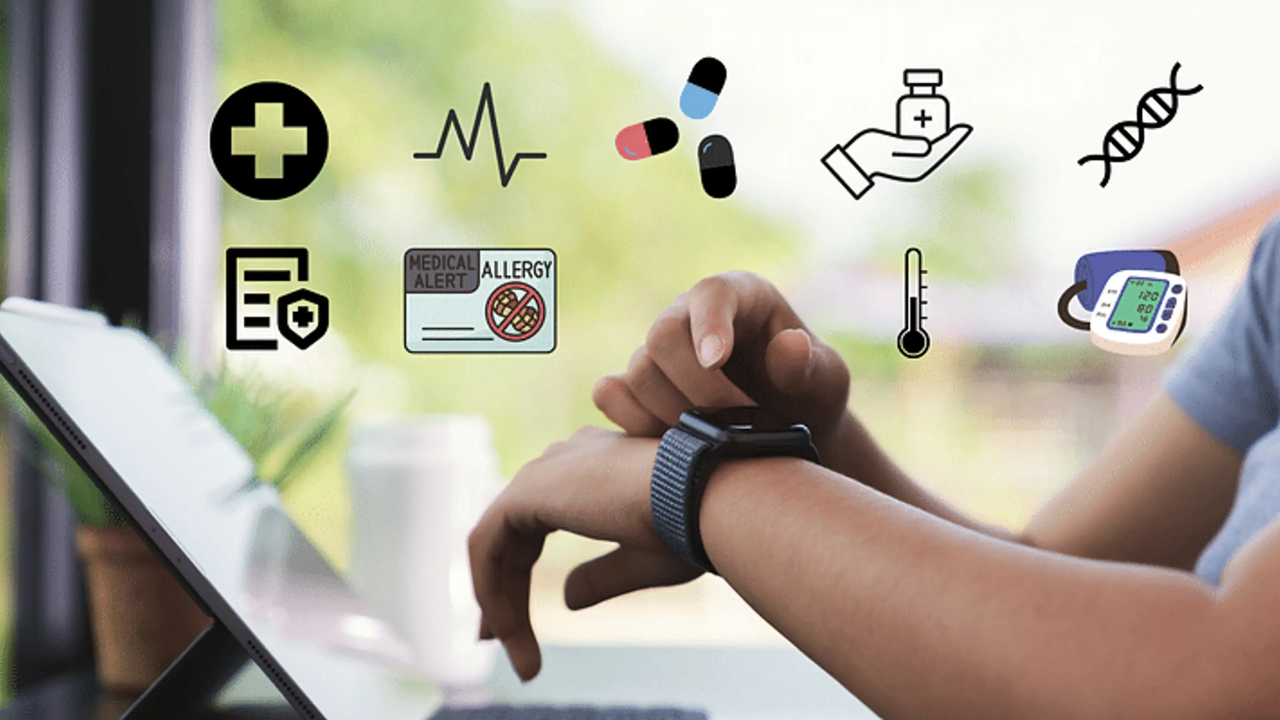
With the world being increasingly technologically driven and technology dominating its every aspect, the merging of digital innovation and personal health has never been more forceful. The most revolutionary development is the introduction of wearable health devices, now transforming the system from reactive treatment to proactive, preventive care.

Those were the times when yearly check-ups were the sole health tracking. But today, with wearables, smartwatches, fitness bands, biosensors, and health rings, individuals can track their heart rate, sleep, stress, blood sugar level, oxygen levels, and even symptoms of illness—real-time. But in what manner precisely are wearables shaping the future of healthcare?
Let us see how wearable technology is being made a cost-effective tool for preventive health in 2025 and beyond.
The Rise of Health Wearables: A Market in Motion
Since the initial days of pedometers, wearable technology has evolved into a multi-billion-dollar health platform. The global demand for medical-grade wearable technology grew up to 2025, fueled by growing interest in longevity, remote care, and chronic disease prevention.
What’s trending now, like Apple Watch Series 10, WHOOP 4.0, Oura Ring Gen 4, and Fitbit Charge 6, is so much more than fitness these days—they offer clinically relevant health data that educates and empowers individuals and their clinicians.

How Wearables Are Transforming Preventive Health
1. Early Monitoring in Real-Time
One of the most revolutionary wearables features is that they can monitor early and frequently before symptoms occur.
For example:
- An acute drop in heart rate variability (HRV) can signal stress overload or looming disease.
- Irregular pulse can also indicate atrial fibrillation, a very prevalent but often asymptomatic ailment.
- Fluctuations in skin temperature and respiration rates can signal infection—infection before you get sick.
This data enables users to make timely choices, such as resting, hydration, or calling a physician—preventing progression into full-blown illness.
2. Personalized Wellness & Behavior Change
Wearables don’t just track data—they induce behavior modification. With gamified stats, sleep coaching, and personalized health recommendations, these devices allow users to stay engaged and adherent to their fitness goals.
For instance:
- Smart reminders prompt users to stand up, move around, breathe, or hydrate.
- Sleep scores encourage better behavior like earlier bedtimes or reduced screen time.
- Stress monitoring leads users to mindfulness exercises and breathing maneuvers.
By offering data-driven nudge, wearables cause good intentions to become lasting habits.
3. Prevention & Management of Chronic Disease
Diabetes patients, hypertension patients, or patients with cardiovascular risk highly appreciate wearable technology. Wearables can:
- Track blood pressure and blood sugar in real-time
- Alert users to danger zones or medication regimens
- Send data to telehealth portals for simple doctor monitoring
Such real-time communication allows for early intervention, which is the very foundation of preventive health.
4. Sleep Optimization & Recovery Monitoring
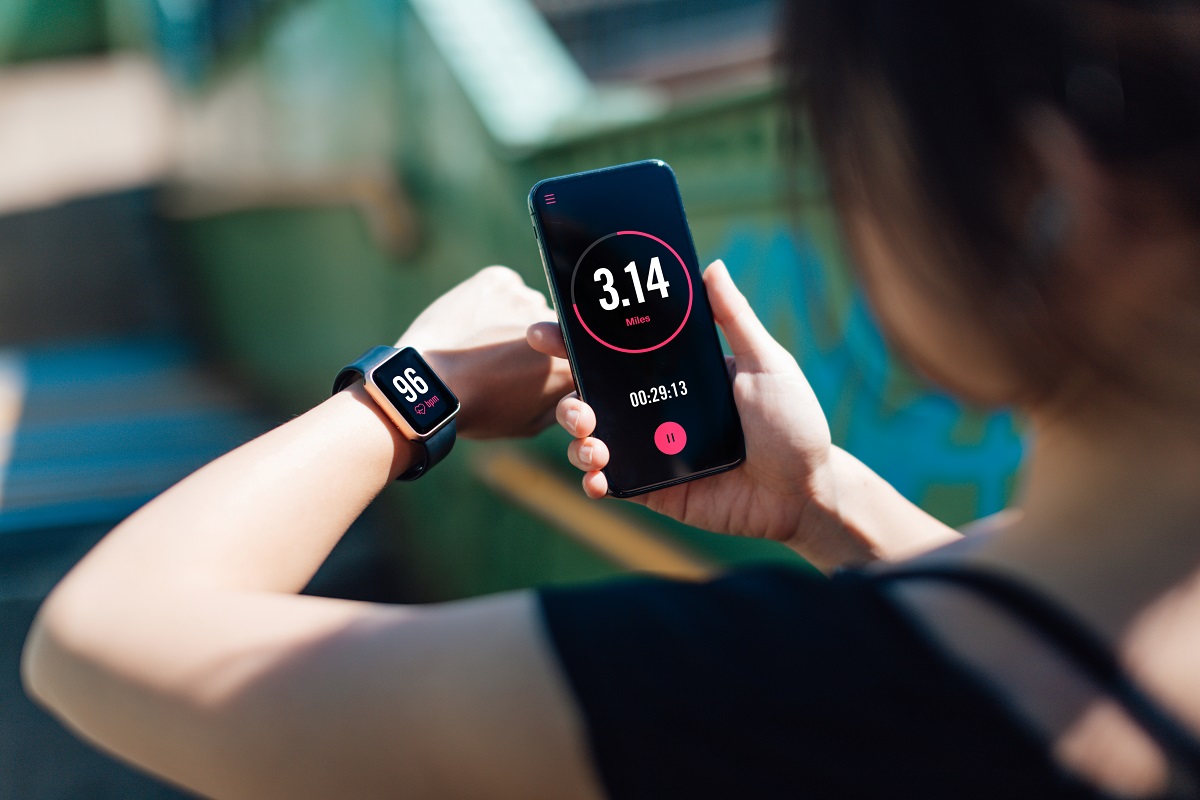
Sleep in 2025 isn’t a luxury good—it’s a core health metric. Wearables monitor sleep cycles, REM duration, and disturbance, allowing users to optimize quality and quantity of sleep.
Top performers and athletes use wearables to monitor recovery scores, avoiding overtraining and exhaustion. By optimizing downtime, users also help fortify immune function, brain performance, and emotional resilience.
5. Remote Health Monitoring for Vulnerable Populations
Elderly individuals or patients with chronic illness can now be remotely monitored by doctors and caregivers. Hospital readmission and emergency room visits have been significantly reduced, while home safety and independence have been enhanced.
Moreover, AI-driven insights that stem from wearables allow predictive analytics that allow clinicians to anticipate complications prior to their occurrence.
Integrating Wearables Into Mainstream Healthcare
Additional clinics and hospitals increasingly include wearable data in electronic health records (EHRs), for a fuller picture of patient health over time. With this integration, healthcare can:
- Preventive care plans that align with real-world behavior
- Reduced reliance on expensive diagnostic testing
- Improved physician-patient communication
As a result, healthcare shifts from episodic to continuous care, driven by real-time data from the patient’s own body.
Final Thoughts: The Future Is on Your Wrist
Wearables are no longer trendy accessories—they are powerful medical gadgets foretelling a revolution in disease avoidance. More accurately, with growing precision, artificial intelligence, and personalization, wearables allow millions to live healthier, longer, and more empowered lives.
In short, your future doctor might not be a white-coated expert—but a wrist-mounted sensor will remind you when to call one.
So if you haven’t already adopted the power of wearables, today is the day. Because when it comes to your health, early is everything.